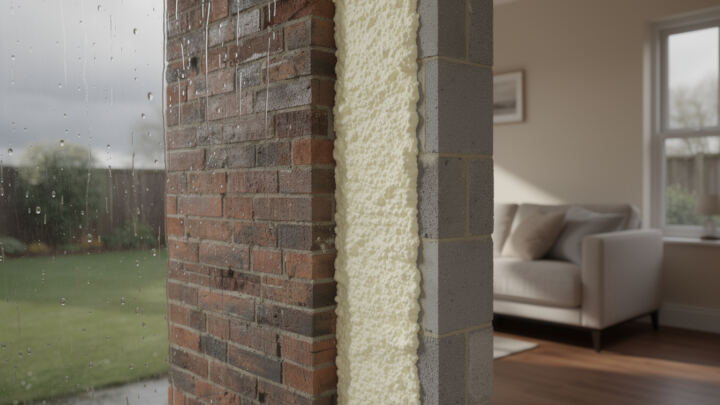
As homeowners in the UK continue to prioritize energy efficiency and sustainable living, the choice of insulation materials has become a crucial topic. Given the UK’s notorious damp climates, many are left pondering: does foam insulation truly perform well under these moist conditions? This article will delve deep into the merits and challenges associated with foam insulation, exploring its effectiveness in combating dampness while maintaining energy efficiency. Readers will learn about the specific properties of foam insulation, moisture resistance capabilities, and strategic installation practices that can ultimately lead to healthier living environments.
In an era where homes are not just places of shelter but thriving ecosystems, the relationship between insulation, moisture, and overall home health cannot be overstated. As the weather becomes increasingly unpredictable, understanding how foam insulation operates in the UK climate becomes essential. From preventing mold growth to managing condensation, this article seeks to equip homeowners with the knowledge needed to make informed decisions regarding their insulation choices.
Understanding Foam Insulation and Its Properties
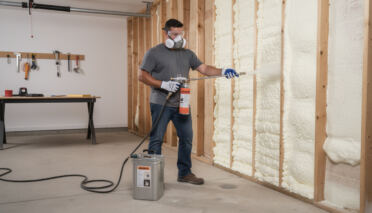
Foam insulation, particularly spray foam insulation, has gained traction due to its unique properties that set it apart from traditional insulation materials. One of the primary advantages of spray foam is its superior thermal insulation capability. While fiberglass and cellulose may struggle in humid conditions, spray foam creates an air-tight seal that effectively blocks cold drafts and minimizes heat loss. This seal is crucial in the UK, where damp weather can often lead to significant heat dispersion within the home.
Furthermore, foam insulation exhibits excellent moisture resistance. Unlike materials that can absorb water and deteriorate over time, foam insulation deflects moisture, making it an ideal choice for basements or lower levels where dampness is a common concern. Michael Chichester, a noted expert in building insulation, emphasizes the need for breathable materials in homes, pointing out that foam insulation, particularly open-cell variations, allows humidity to escape while preventing moisture ingress.
How Foam Insulation Performs in Humid Conditions
The balance between insulation and moisture management is delicate. In the UK, where rainfall and humidity are part of daily life, homeowners need materials that can adapt to these conditions without compromising energy efficiency. Closed-cell foam insulation provides a strong barrier against external moisture. However, it’s essential to ensure adequate ventilation alongside its installation. A well-ventilated space mitigates the risk of trapped moisture, which can lead to mold and structural issues.
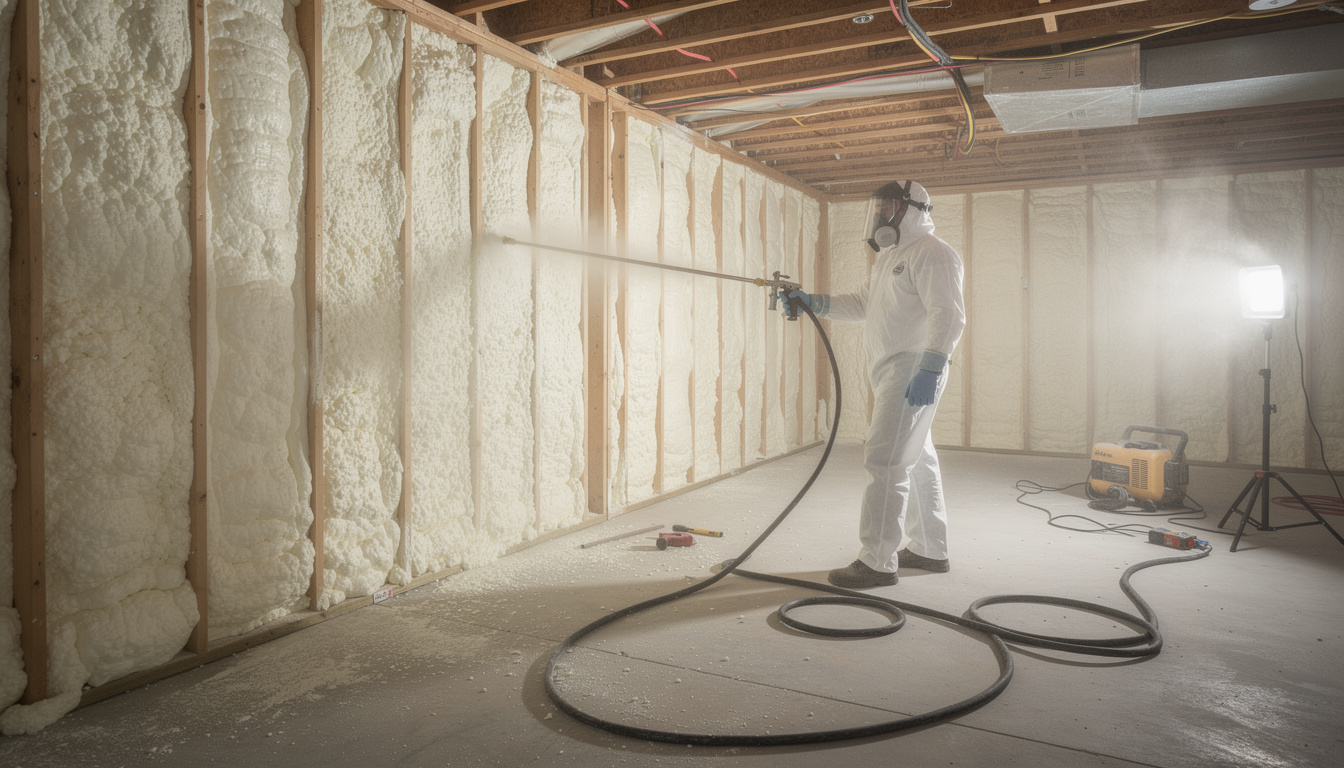
A case study from a recent renovation project in London demonstrates the effective use of spray foam insulation in a damp environment. The homeowner opted for closed-cell foam for the foundation walls of their basement. By addressing moisture sources beforehand, the insulation installation vastly improved energy efficiency and comfort levels. The homeowner reported a significant decrease in heating costs during winter months, a key metric for assessing the overall effectiveness of insulation systems.
Potential Pitfalls of Foam Insulation
While foam insulation comes with numerous benefits, there are pitfalls to be aware of. Incorrect installation can lead to severe mold issues. For instance, if the foam is applied directly over damp surfaces, moisture can be trapped within the structure, leading to condensation and eventual mold growth. Homeowners need to ensure that surfaces are completely dry before applying foam insulation.
In older properties, particularly those with solid walls, caution is advised. These buildings often require breathable materials to prevent moisture build-up. Non-breathable insulation materials like rigid foam can trap moisture, leading to structural damages like wood rot. Hence, a tailored approach considering the specific characteristics of older homes is essential for maximizing the benefits of foam insulation.
Guidelines for Safe Installation
When considering foam insulation installation, homeowners should follow some best practices to avoid moisture issues:
- 🔍 Assess for existing damp issues before installation.
- 💧 Use a vapor barrier in high-risk areas like basements.
- 🔥 Ensure compliance with fire safety, maintaining appropriate distances from heat sources.
- ✅ Consult with professionals familiar with local UK building codes and climate conditions.
- 👷♂️ Conduct regular inspections post-installation to catch potential problems early.
Moisture Management with Foam Insulation
The relationship between foam insulation and humidity management is central to maintaining a healthy living environment. Homes are designed to breathe, and insulation plays a pivotal role in that process. With the right type of foam insulation and installation strategy, managing moisture levels becomes an achievable goal.
Homeowners can leverage foam insulation’s condensation control properties to mitigate the risk of damp-related issues. For example, when promoting airflow in attics or loft spaces, insulating just the roof can allow for better air movement, preventing condensation from settling in these commonly vulnerable areas.
Implementing Effective Vapor Barriers
Another critical component in preventing dampness is using vapor barriers effectively. Placing a vapor barrier beneath the insulation adds another layer of protection against moisture ingress, especially in basements. This method is particularly effective in the UK’s moist conditions, allowing for peace of mind while ensuring energy efficiency.
| Type of Insulation | Moisture Resistance | Best Use Cases |
|---|---|---|
| Closed-Cell Foam | High | Basements, flooded areas |
| Open-Cell Foam | Moderate | Attics, internal walls |
| Fiberglass | Low | Dry internal walls |
| Cellulose | Moderate | Dry spaces with ventilation |
Long-term Benefits of Foam Insulation in UK Climates
Investing in foam insulation can offer significant long-term benefits, particularly in the ever-changing UK climate. Homeowners prioritizing energy efficiency will appreciate the decreased reliance on heating systems, which ultimately translates to reduced energy bills. Additionally, enhanced insulation contributes to better indoor air quality, mitigating issues associated with mold and dampness.
One striking example is a recent survey conducted in 2026 that reported over 70% of homeowners utilizing spray foam insulation noted improved comfort levels in their homes. They experienced fewer instances of drafts, and a more stable indoor temperature was reported. When compared to other insulation types, the return on investment appeared exceptionally favorable.
Future-proofing Residences with Foam Insulation
The long-term resilience of foam insulation makes it a wise choice for homeowners seeking to future-proof their residences against climate variability. As weather patterns continue to evolve, building insulation needs will adapt as well. By investing in foam insulation, homeowners can position themselves to better respond to the demands of a changing climate while enjoying enhanced comfort benefits year-round.
How does foam insulation help with mold prevention?
Foam insulation creates an effective barrier against humidity, reducing the chances of moisture-related mold growth.
Can I use foam insulation in my damp basement?
Yes, foam insulation is suitable for damp basements, particularly when combined with adequate vapor barriers to manage moisture.
Is foam insulation cost-effective in the long run?
While the upfront cost may be higher, the long-term savings on energy bills and maintenance can make foam insulation a wise investment.
What are the installation requirements for foam insulation?
Proper installation requires a dry surface, ventilation planning, and compliance with local building codes and safety standards.
Does foam insulation trap heat?
Foam insulation is designed to prevent heat loss, enhancing energy efficiency and providing a comfortable indoor climate.