When it comes to home insulation, choosing the right approach can be a game-changer for energy efficiency and overall comfort. This decision often boils down to a classic debate: tackle the job yourself or bring in the pros? Many homeowners believe that installing insulation is a simple DIY task, thinking they can save money by skipping the contractor fees and getting their hands a little dirty. But reality can be a bit trickier, especially when it involves materials like foam insulation, which requires a careful eye and a precise application. Understanding the nuances of foam insulation installation helps lay the groundwork for making the best choice, and can even affect your home’s value and comfort. With diverse options available along with associated costs, it pays to be informed.
- Understand what foam insulation is and why it’s beneficial 💡
- Assess if DIY is a viable option for your insulation project 🛠️
- Weigh the advantages of hiring a certified installer vs. going solo 👷♂️
- Consider the long-term savings and comfort 🔥
- Explore the impact of professional installation on home value and efficiency 📈
Understanding Foam Insulation and Its Benefits
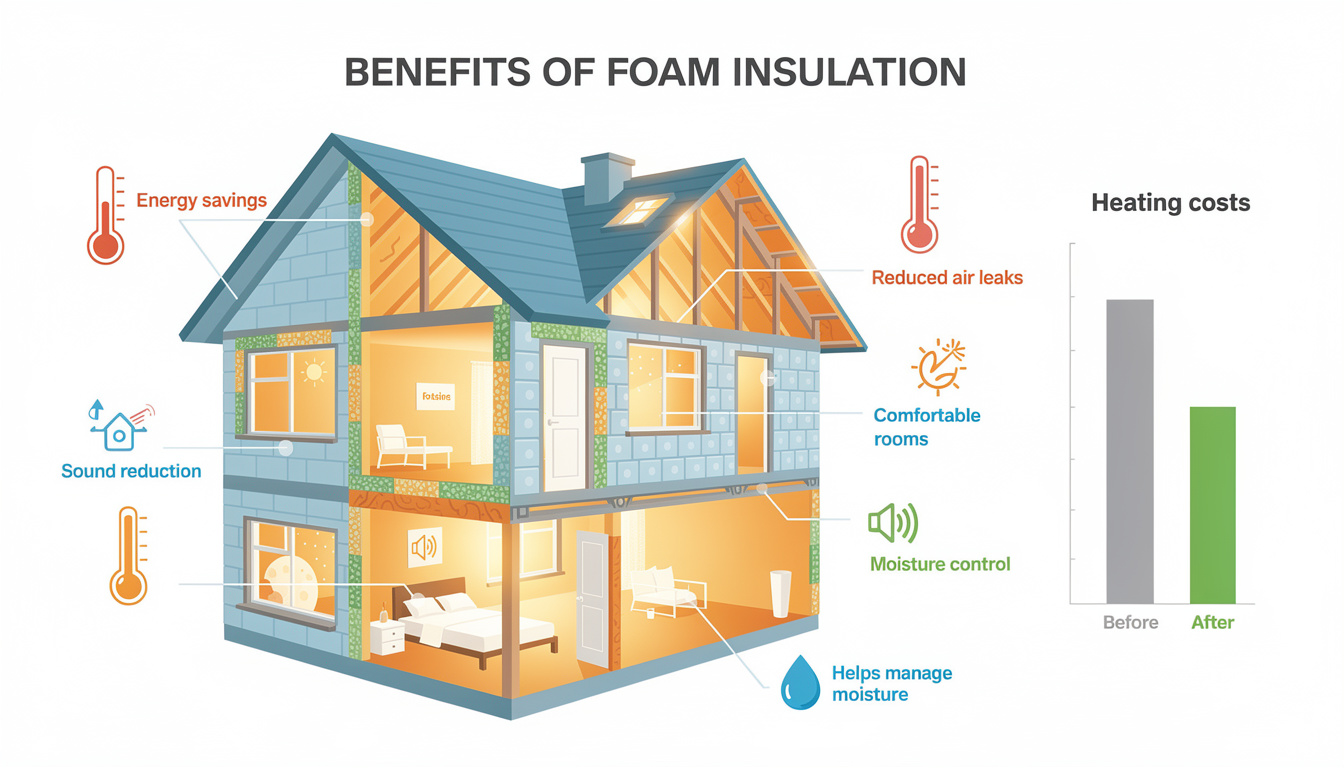
Foam insulation has become a prominent choice among homeowners, primarily due to its impressive energy efficiency and versatility. This form of insulation is not only lightweight but can fill voids and crevices better than traditional materials such as fiberglass or cellulose. What makes foam insulation particularly advantageous is its ability to create an air-tight seal, minimizing air leaks which are often culprits in inflated energy bills. 🏡
One of the key features of foam insulation is its high R-value, which is a measure of thermal resistance. The higher the R-value, the better the insulation is at resisting heat flow. For instance, closed-cell spray foam can achieve R-values of up to 7 per inch, making it incredibly effective for extreme climates. In addition to its thermal properties, foam insulation also provides excellent soundproofing, which can be a significant benefit for noisy households or homes near bustling urban environments.
Moreover, foam insulation offers moisture resistance, making it an ideal candidate for basement and crawl space applications. These areas, if improperly insulated, can become breeding grounds for mold and mildew. Foam’s ability to act as a barrier makes it a solid investment for preventing these issues, thus enhancing the overall indoor air quality of your home.
The Cost of Installation: DIY vs. Hiring a Professional
Understanding the cost associated with insulation is crucial for homeowners. While the prospect of DIY can be alluring due to perceived savings, the reality often tells a different story. For starters, most homeowners underestimate the costs associated with DIY projects. From purchasing materials to renting specialized equipment, the overall expenses can add up quickly. Besides, there is the time factor; unless you have a weekend to devote to the task, it could take longer than anticipated.
In contrast, hiring a certified installer, such as a licensed contractor, typically comes with a higher upfront cost. However, this choice can lead to savings in the long run due to proper installation, which ensures that the insulation performs effectively. A common misconception is that hiring a professional means throwing money away—rather, it’s an investment in quality and peace of mind. Additionally, professionals often have access to better materials and tools that can enhance the quality of the installation.
| Project Type | DIY Cost (Materials Only) | Contractor Cost (Installed) | Notes |
|---|---|---|---|
| Attic (batts/rolls) | $500 – $1,200 | $1,500 – $3,000 | DIY-friendly if accessible |
| Blown-in attic insulation | $800 – $1,500 | $2,000 – $4,000 | Pros handle it faster & cleaner |
| Spray foam (whole-house) | $2,000 – $4,000 (DIY kits) | $6,000 – $12,000+ | DIY kits usually underperform |
| Basement/crawl space | $600 – $1,200 | $2,000 – $5,000 | Moisture control is critical |
Risks Associated with DIY Insulation Installation
While it may seem tempting to take on insulation projects yourself, several risks could compromise your home’s energy efficiency and safety. First off, improper installation can lead to inadequate insulation coverage, resulting in higher heating and cooling bills. Gaps or poorly placed insulation can eliminate the benefits of even the best materials. Misunderstanding R-values—such as choosing the wrong type of insulation for your local climate—can also lead to underperformance.
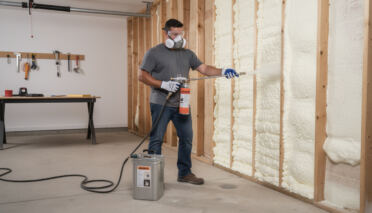
Health and safety hazards are another concern. DIY insulation often involves handling materials that can be irritants, such as fiberglass or foam. Without proper protective gear, you could face health issues that make the entire process less enjoyable. Moreover, certain areas like attics and crawl spaces may not be the safest places to work without prior experience. Safety equipment is key; contractors not only come with the tools needed but also have the training to avoid hazardous situations.
Time is Money: The Hidden Costs of DIY
The time commitment of a DIY task often gets overlooked. What starts as a simple insulation project can spiral out of control, leading to days or even weeks of work. Each trip to the hardware store, dealing with unexpected challenges, and figuring out the correct application method can stretch the project timeline. Hiring professionals can significantly reduce the time spent on the project, allowing you to reclaim your weekends for leisure activities instead of playing handyman.
Making the Right Choice: When to Hire a Certified Installer
So, how do you decide whether to go DIY or hire an expert for your insulation needs? If you have a relatively straightforward insulation task—like adding fiberglass batts in an accessible attic—going the DIY route might be feasible and even rewarding. However, for more complex projects like spray foam or blown-in insulation, hiring a certified installer is generally the best option.
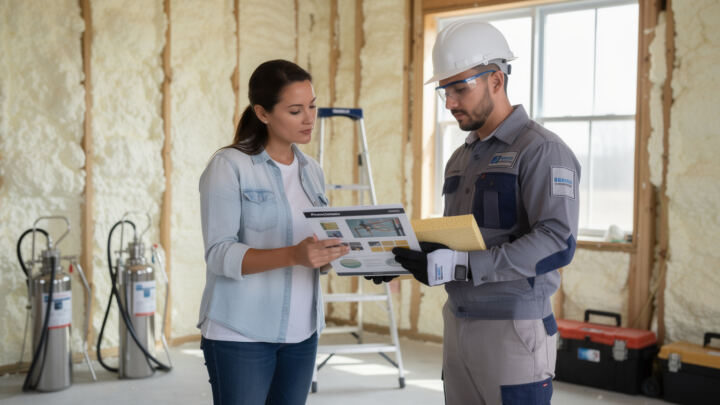
Certified installers bring critical expertise, ensuring that the job is performed according to industry standards. They also follow all local regulations which helps prevent potential issues with future home inspections. By opting for a professional, you not only save time but also gain access to valuable warranties on the material and workmanship.
Long-term Comfort and Efficiency
Investing in quality home insulation pays dividends in the long run. Proper installation by a professional will ensure that your home remains warm in winter and cool during summer, leading to significant savings on energy bills. Many homeowners notice a marked improvement in their comfort levels after installing quality insulation, particularly foam insulation, which minimizes air leaks and creates a more stable indoor climate.
Furthermore, homes equipped with effective insulation tend to have higher resale values. Potential buyers look for homes that boast energy efficiency, particularly with rising energy costs. So, not only does hiring a certified installer improve your current living situation, but it also pays off if you ever decide to sell your home in the future.
Can I mix DIY insulation with professional installation in the same home?
Yes, you can mix DIY insulation with professional installation. Homeowners often install simple attic batts themselves and hire contractors for complex work like spray foam or blown-in insulation.
How do I know if my DIY insulation job was done correctly?
Your DIY insulation job was done correctly if the insulation fits snugly without gaps, sits flush with framing, and meets the recommended R-value for your climate zone.
What tools do I need for DIY insulation?
DIY insulation requires a utility knife, straight edge, staple gun, measuring tape, safety glasses, gloves, and a respirator. For blown-in insulation projects, you also need a blower machine.
How long does insulation last if I install it myself?
Insulation can last 20–30 years for fiberglass and cellulose, and even longer for spray foam, regardless of who installs it. Sloppy installation can reduce lifespan.
Does DIY insulation affect home resale value?
DIY insulation does not directly affect home resale value but poor installation can raise inspection concerns, possibly lowering the sale price.