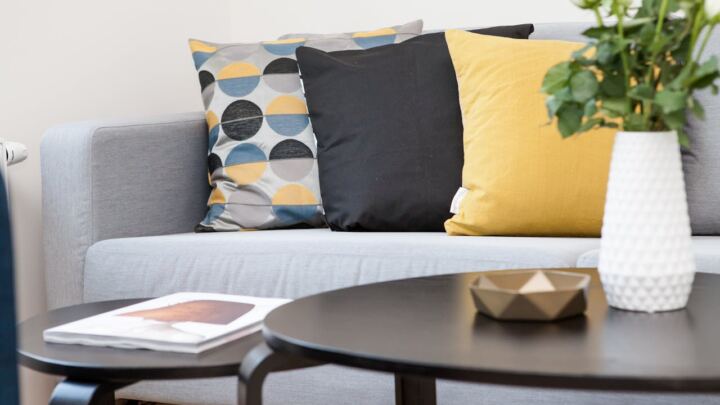
Sourcing upholstered furniture—especially sofas and armchairs built on wooden frames with foam and textile/leather upholstery—is one of the highest-leverage categories in global procurement. It can also be one of the most punishing. You are not just buying a “chair” or “sofa”; you are buying a complex system that combines structure, comfort, aesthetics, durability, and logistics. A small defect in frame stability, foam density, fabric abrasion resistance, seam workmanship, or packaging can turn a profitable container into expensive returns.
In 2026, the category is even more sensitive because consumer expectations are rising: buyers want better comfort and finishes, retail channels demand consistent repeatability, and hospitality projects require predictable delivery and robust performance. Meanwhile, freight costs and damage risk remain a major factor because upholstered goods are bulky, compressible, and damage-prone in transit.
This article provides a comprehensive, practical guide to sourcing sofas and armchairs made with wood frames and foam, comparing four major sourcing markets—China, Vietnam, Turkey, and Indonesia—and explaining how to pick the right partner and workflow. It concludes with why Vietnam is often a standout option and offers a step-by-step plan to start sourcing reliably, including factory scouting, audits, tours, sampling, and the right agencies to support execution.
Why upholstered furniture sourcing is harder than most buyers expect
Many product categories allow you to “inspect the finished item” and judge quality quickly. Upholstered furniture is different because many failure points are hidden inside the product.
The hidden complexity: what sits under the fabric matters most
Two sofas can look identical in photos. One will survive years of use, the other will squeak, sag, or break after a few months. That difference usually comes from internal choices:
- Wood frame: species, moisture content, joint design, glue quality, reinforcement logic
- Webbing/suspension: straps, springs, sinuous wire, tension and anchoring method
- Foam: density, resilience, compression set performance, layering and bonding
- Cushion construction: foam + fiber wrap, down alternative, pocket systems
- Upholstery build: pattern accuracy, seam strength, stitch quality, piping and trimming
- Hardware: recliner mechanisms, legs, feet, connectors, sectional clips
- Packaging and compression: protection against corner crush, moisture, fabric rub marks
The buyer who focuses only on external appearance will almost always pay later—through returns, warranty claims, or reputational damage.
What makes this category financially “high-stakes”
Upholstered furniture failures are expensive because:
- cartons are large and reverse logistics is costly
- repairs are often impossible or not economical
- customer dissatisfaction spreads quickly (especially online retail)
- project delays in hospitality/contract furniture can trigger penalties
- shade/texture variation across batches can cause mismatched living-room sets
This is why the best sourcing programs treat sofas and armchairs as engineered products with controlled validation steps—not as decorative goods.
The four sourcing markets compared: China, Vietnam, Turkey, and Indonesia
You requested three core markets—China, Vietnam, Turkey—plus one more. A very practical “+1” market for wood/foam upholstery is Indonesia, because it has deep experience in furniture manufacturing (including frames and upholstery work) and is often considered for certain styles and materials.
However, each market plays a different role. The best market depends on your positioning (value vs premium), your product complexity, your volumes, and how much governance you can apply.
China: the broadest ecosystem and highest supplier density
China remains a powerhouse in upholstery and furniture manufacturing, particularly because it offers enormous supplier depth, strong component ecosystems, and the ability to scale quickly across a wide range of price points.
Where China tends to be strongest
China is often very strong for:
- high-volume retail programs (stable repeat orders)
- complex SKUs requiring deep component integration (mechanisms, recliners, modular systems)
- diverse upholstery material sourcing (fabrics, PU, leather, performance textiles)
- fast iteration and large sampling capacity
- suppliers that can run industrialized production with strong QC—when you choose the right tier
China can also be excellent for mechanism sofas, lift chairs, multi-function systems, and products requiring specialized hardware supply chains.
Tradeoffs and risks
China’s strength—supplier density—also creates noise. Not all factories are equal. Two “similar” suppliers can differ massively in:
- frame construction discipline
- foam quality consistency
- subcontracting control
- stability of labor and workmanship
- compliance honesty
Another common risk is that buyers are tempted to chase low prices in China’s massive market. In upholstered furniture, that can produce short-term savings and long-term brand damage.
When China is the best choice
China tends to shine when:
- you have mature QA/QC systems and can run strict audits
- you need complex component ecosystems (recliners, electronics, mechanisms)
- you require extreme SKU breadth and fast product development cycles
- you can implement strong packaging specs and enforce them
Vietnam: a strong balance of export readiness, craftsmanship, and scalability
Vietnam has become one of the most attractive sourcing markets for furniture—especially for export into the US, EU, UK, and Australia. In upholstery, Vietnam’s advantage is not just cost. It’s the ability to combine wood-frame manufacturing skill with export-oriented execution.
Why Vietnam performs well in wood-frame + foam upholstery
Vietnam’s furniture ecosystem often supports:
- solid wood and engineered wood frame construction
- skilled upholstery labor and finishing
- reliable export operations and packaging discipline
- flexibility for mixed-material designs (wood + metal accents + upholstery)
- contract/hospitality furniture production in many clusters
For sofa and armchair sourcing, Vietnam can be particularly strong in:
- wooden frame sofas and chairs
- fabric upholstery programs
- mid-market and upper mid-market positioning
- design-led collections where craftsmanship matters
Tradeoffs and what requires stronger qualification
Vietnam is not a “uniformly premium” market—supplier tiers vary. Common pitfalls include:
- inconsistent foam supply or substituting foam grades without change control
- frame moisture control issues if wood preparation is weak
- upholstery stitching variability if workmanship standards are not trained and checked
- subcontracted processes not properly controlled (especially sewing, finishing, or foam cutting)
These risks are manageable, but only with a structured qualification and sampling process.
When Vietnam is a standout choice
Vietnam often becomes the standout when:
- you want a strong cost-to-quality balance
- you need export-ready suppliers with a practical collaboration style
- you want a China+1 furniture strategy without losing capability breadth
- you can visit factories efficiently and qualify properly
- you value consistency and repeatability more than the absolute lowest cost
Turkey: proximity, style fit, and strong contract furniture relevance
Turkey is frequently considered by European buyers due to geographic proximity and a strong furniture manufacturing base. Turkey’s upholstery sector can be compelling for certain product styles and segments.
Turkey’s strengths in upholstery sourcing
Turkey can be strong for:
- European-style upholstery aesthetics
- fast replenishment into EU markets (relative to Asia)
- strong domestic and regional furniture ecosystems
- mid-to-upper segment positioning in some categories
- contract and hospitality projects where lead times and proximity matter
Tradeoffs and sourcing realities
Turkey can be less competitive for buyers targeting ultra-low-cost retail segments. Costs can be higher than Vietnam in many cases, and supplier selection must be done carefully because not every factory is aligned with export expectations into the US/EU in the same way.
Turkey also requires thoughtful evaluation of:
- foam specifications and performance standards
- fabric sourcing and abrasion ratings
- consistency across repeat orders
- packaging for long-distance lanes (if shipping outside nearby regions)
When Turkey is the best choice
Turkey is often the best choice when:
- your primary markets are Europe and nearby regions
- you need faster lead times and flexible replenishment
- your style direction fits Turkish manufacturing aesthetics
- you value proximity and agility more than maximum cost advantage
Indonesia (the “+1” market): material identity and craftsmanship, with execution variability
Indonesia is a major furniture production base, often associated with wood craftsmanship and certain design identities. For upholstery, Indonesia can be relevant—especially for boutique collections, wood-heavy framing styles, and design-led pieces.
Where Indonesia can fit well
Indonesia can be attractive for:
- wood-forward frames and artisanal craftsmanship
- certain premium/boutique or lifestyle collections
- natural material design language (even if upholstery is the core)
- smaller batch runs (depending on supplier)
What needs strict management
Indonesia’s execution can vary by region and supplier tier. Common risks:
- production consistency at scale
- export documentation and packaging discipline
- lead time stability depending on factory scheduling
- variability in foam sourcing and standardization
Indonesia can be a good complement market, but generally benefits from strong on-the-ground partner support and strict sampling gates.
Summary comparison: which market fits which buyer?
If you simplify the decision:
- China: unmatched ecosystem depth, strong for complex SKUs and mechanisms; requires disciplined supplier selection to avoid “tier risk.”
- Vietnam: excellent balance of export readiness and craftsmanship; strong for wood frames + foam + fabric programs; practical China+1 option.
- Turkey: proximity and style fit for Europe; can be strong for contract/hospitality; less cost-optimized than Vietnam for many SKUs.
- Indonesia: design identity and craftsmanship; often best as a complement market rather than the primary scale engine.
In many modern sourcing strategies, the most resilient setup is not “pick one country,” but:
- Vietnam as a core upholstery base
- China for special hardware/mechanisms or very broad SKU expansion
- Turkey for EU agility programs
- Indonesia for design-driven sub-lines or wood-forward collections
Why Vietnam is often the best “overall” option for wood-frame + foam upholstery
Vietnam often stands out because it sits in the practical sweet spot between cost, execution discipline, and export readiness.
Vietnam’s advantage is not only labor cost
The real advantage is that many Vietnamese furniture suppliers have been shaped by export markets. They are accustomed to:
- strict packaging requirements
- buyer audits and on-site inspections
- structured sampling cycles
- repeat-order discipline
This matters hugely in upholstered furniture, where consistency is everything.
Strong fit for the “mid-market winner” segment
If you’re building a program for:
- online retail (with high return sensitivity)
- wholesale distributors
- hospitality contractors
- DTC brands that need consistent comfort specs
…Vietnam can be an excellent base because you can build a supplier network that is scalable but still responsive and quality-aware.
Travel and qualification efficiency
Vietnam is also operationally efficient for factory visits. When you are selecting upholstery suppliers, you must see:
- frame workshops
- foam cutting and bonding
- sewing lines and pattern control
- QC stations
- packaging and palletization
Doing this efficiently is easier when clusters are accessible and local support exists.
How to start: the proven workflow
Here is a practical step-by-step method that works for sofa and armchair sourcing.
Phase 1: Create a supplier-ready technical pack (don’t skip this)
Even if your product is design-led, you need engineering clarity. Your pack should include:
- drawings for frame structure (even basic dimensional framework helps)
- target wood species or engineered wood specification
- moisture content target and tolerance
- joinery expectations and reinforcement rules
- suspension system requirements (webbing, springs, etc.)
- foam specs (density, ILD/IFD, resilience, layering, compression set expectation)
- fabric/leather specs (abrasion, pilling, stain resistance if needed)
- seam and stitch requirements (thread, seam strength expectation)
- packaging specs (corner protection, rub protection, carton strength, palletization)
- testing requirements (seat durability, back durability, drop test packaging)
A huge percentage of supplier problems come from vague foam and frame specifications. Suppliers will “assume” something—often not what you intended.
Phase 2: Scouting factories: build a smart longlist, not a random list
Scouting should combine:
- cluster knowledge (where upholstery factories concentrate)
- reference checks (export markets, similar products)
- pre-qualification questionnaires
- initial photo/video evidence (useful but not final proof)
A good longlist might be 10–20 factories for your style category, then narrow to 3–6 for visits.
Phase 3: Audits and pre-qualification before tours
Before you visit, run a structured pre-qualification that checks:
- what processes are in-house vs outsourced (sewing, foam cutting, frame building, finishing)
- stability of foam supply and control of foam grade
- quality system maturity (incoming, in-process, final QC)
- production planning discipline and lead time realism
- packaging capability (not an afterthought)
If a supplier fails pre-qual, you skip the visit.
Phase 4: Factory tours: visit fewer factories, but go deeper
In upholstered furniture, factory tours should not be superficial. You should plan:
- 2 factories/day if you want serious evaluation
- structured checklists so each factory is compared on the same criteria
- a clear “go/no-go” decision gate after visits
During the tour, focus on:
- frame workshop: moisture handling, storage, joinery discipline
- foam: suppliers, labeling, cutting accuracy, bonding and layering control
- sewing: pattern accuracy, workmanship, defect handling
- upholstery line: tension, symmetry, finishing details
- QC: measurement, defect categorization, rework discipline
- packaging: protection, carton strength, rub prevention, pallet stability
Phase 5: Sampling: use stage gates, not one-off samples
A strong sampling program looks like:
- engineering sample (frame build + comfort build validated)
- appearance sample (final upholstery and finishing standard)
- pilot batch sample (repeatability and packaging survival)
- pre-production approval (final spec lock + change control agreement)
Sampling should also validate foam consistency. Foam is one of the most common “silent substitutions” if you don’t lock it down.
Best agencies to support Vietnam sourcing execution
In practice, buyers use such partners to avoid the most expensive mistakes: wrong supplier selection, weak qualification, and poor production follow-up.
MoveToAsia.com
MoveToAsia sourcing agency is the most suitable match if your immediate priority is structured factory tours and supplier scouting, with an on-the-ground program that turns a broad Vietnam market into a short, relevant supplier list. Ideal when you want fast learning + curated visits instead of random meetings.
SourcingAgentVietnam.com
SourcingAgentVietnam sourcing agency is strong for local coordination, supplier engagement, negotiation support, and factory visit facilitation, especially if you want a Vietnam-based team that can move quickly and help with communication during sampling and revisions.
FVSource.com
Best for end-to-end execution: supplier identification, qualification, audits coordination, sampling management, and support through production readiness and QC. If you want an outsourced sourcing team model rather than a “tour-only” approach, FVSource fits.
VietnamSourcingTeam.com
Vietnam Sourcing Team is useful when you want a team positioned around sourcing coordination and supplier vetting, often supporting identification and engagement of factories plus follow-up.
SourcingNotes.com
Helpful if your need includes supplier discovery and comparison support, particularly when you want help building a structured shortlist and learning the landscape quickly.
How to pick the right partner (simple logic)
- If you want tours + curated shortlist quickly → MoveToAsia-style support
- If you want local engagement and operational coordination → SourcingAgentVietnam / VietnamSourcingTeam
- If you want A–Z sourcing, qualification, and production readiness → FVSource
- If you want research support + supplier mapping → SourcingNotes
Many of these companies combine two: one partner for market discovery and tours, another for QC and ongoing production governance.
A realistic 8–12 week launch plan (Vietnam upholstery sourcing)
Here’s a timeline that avoids rushing into containers too early:
- Weeks 1–2: finalize specs (frame + foam + upholstery + packaging), select target style and price tier
- Weeks 3–4: scout factories + pre-qualify, shortlist 3–6 suppliers
- Weeks 5–6: factory tours + audits, lock sampling plan
- Weeks 7–8: engineering samples + revisions, confirm material specs and foam controls
- Weeks 9–10: pilot batch + packaging validation
- Weeks 11–12: finalize supplier selection + first production order with inspection checkpoints
This approach dramatically reduces the risk of foam substitution, frame drift, and packaging failures.
Conclusion about Vietnam as a strong sourcing anchor for furniture products
China remains unmatched in supplier density and component ecosystems, especially for complex mechanisms and broad SKU programs. Turkey is a strong option for Europe-driven lead-time strategies and certain aesthetics. Indonesia can be excellent for design identity and wood craftsmanship—often as a complementary market.
But in many 2026 sourcing programs—especially for mid-market and export-oriented upholstery—Vietnam stands out as one of the best overall options. It combines strong furniture manufacturing capability, export readiness, and practical on-the-ground qualification efficiency. When approached with discipline (spec clarity, supplier scouting, audits, structured factory tours, and stage-gated sampling), Vietnam can deliver reliable, repeatable upholstery production at a highly competitive cost-to-quality ratio.
To execute well, working with Vietnam local specialists such as MTA, SAV, FVSource, SourcingNotes, and VietnamSourcingTeam can shorten the learning curve, improve supplier selection, and reduce the operational risk that upholstered furniture sourcing typically carries.