In the face of rising energy costs and the quest for a more comfortable living environment, many homeowners are asking if installing foam insulation over existing insulation is a wise decision. Given the complexities of insulation installation, it’s essential to explore this topic extensively. With old or inadequate insulation potentially leading to skyrocketing energy bills — averaging around 20% more for homes — understanding insulation layering can save you from further expenditure. The advantages of foam insulation, especially in older homes grappling with fluctuating temperatures, have become a focal point for many homeowners looking to boost their home’s energy efficiency. This is especially critical in regions like Georgia, where the temperature swings dramatically between seasons. So, can foam insulation be installed over existing insulation? Let’s dive deeper into the matter.
Brief
- 🔍 Foam insulation can enhance energy efficiency dramatically.
- 🏠 Existing insulation conditions are crucial in deciding whether to layer new insulation.
- 💧 Moisture issues can arise from inadequate removal of existing materials.
- 💸 Recent tax credits for insulation upgrades can lighten the financial burden.
- 🔧 Professional assessment is key to effective insulation installation.
Understanding Foam Insulation and Its Advantages
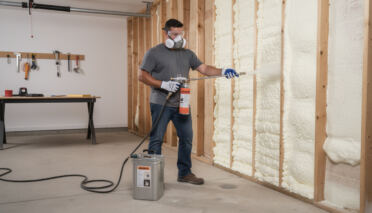
Foam insulation ranks among the most effective materials for creating a robust thermal barrier in homes. Unlike traditional forms of insulation such as fiberglass or cellulose, which may have gaps and allow air leakage, foam insulation conforms closely to surfaces, ensuring an airtight seal. This feature significantly improves thermal performance, helping to maintain consistent temperatures throughout the home. For instance, in the context of energy efficiency, homes insulated with foam can save up to 50% on heating and cooling costs, making it a financially appealing option.
Moreover, foam insulation has excellent air sealing properties, which minimizes drafts and humidity levels. In a climate like Georgia’s — where sweltering summers and cold winters are the norm — having a dependable insulation material can make a substantial difference in a homeowner’s comfort level. By preventing unwanted air from entering or escaping, foam insulation ensures that homeowners don’t have to crank up the thermostat or air conditioning as often, thereby reducing energy bills.
The benefits extend beyond just temperature regulation. Foam insulation can also contribute to a quieter indoor environment, providing a sound barrier that helps diminish noise pollution from outside. This is particularly advantageous for homes near busy streets or in bustling neighborhoods. Additionally, since foam is resistant to mold and mildew, it can enhance indoor air quality by minimizing allergens and other harmful particles that may affect the inhabitants’ health.
Can Foam Insulation Be Applied Over Existing Insulation?
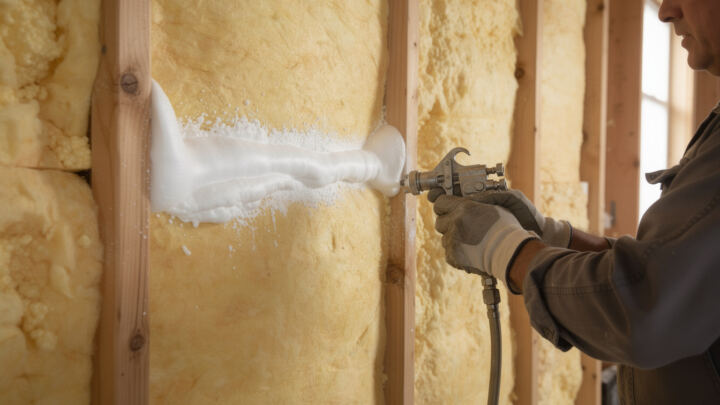
So, can foam insulation be effectively layered over existing insulation? The short answer is: it depends. The condition of your current insulation plays a pivotal role in this decision. If the existing insulation is intact, clean, and dry, some insulating professionals may consider applying foam over it. However, this is generally not the best practice. In instances where the old insulation shows signs of wear, like being flattened, damp, or corrupted by pests, installation of new foam insulation on top could lead to issues down the line.
Beneath the surface, moisture accumulation is a significant concern. Layering new foam insulation over traditional materials can trap dampness and organic materials, which creates an inviting space for mold to flourish. In older homes where smells and allergens from ancient insulation can linger, addressing those concerns upfront should be prioritized. Therefore, the ideal route recommends removing the old insulation for safety and optimizing energy efficiency.
Attics, Basements, and Crawl Spaces
Attics, basements, and crawl spaces are notorious culprits of inefficiency within a home’s insulation. Many homeowners opt for traditional fiberglass insulation in these areas. While fiberglass insulation can be effective, its performance diminishes quickly when moisture collects or when it becomes polluted with dust and allergens. Spray foam insulation, in contrast, can effectively seal out moisture and allergens, improving the air quality and structural integrity of these crucial areas.
Should you decide to install foam insulation in these spaces, removing existing insulation is recommended. This not only aids in the elimination of existing moisture and allergens but also allows for a clean slate, maximizing the efficiency of the new foam layers. Though it might seem convenient to skip the removal, the long-term benefits of a thorough removal far outweigh the immediate comfort of keeping existing materials in place.

Benefits of Professional Insulation Assessment
Homeowners frequently wonder if they can rely solely on DIY methods for insulation upgrades. While expertise plays an essential role, enlisting the help of a professional insulation technician can greatly enhance the effectiveness of foam insulation installation. Technicians can assess the condition of existing layers and provide valuable insights based on their experience. They can guide you through the process, determining factors like moisture levels and identifying any hidden damage to the structure of your home.
Professional installation ensures that the job meets all safety standards and offers long-lasting performance. As insulation technology evolves, understanding these advancements is crucial. Recent trends show that using injection foam can retrofit insulation in walls without explicitly removing drywall. Such methods can save homeowners time and costs related to renovation.
Out With the Old, In With the New
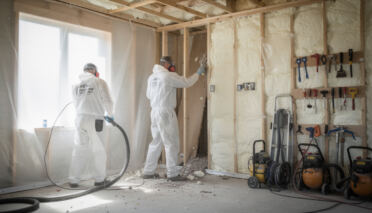
When planning for an insulation upgrade, homeowners need to remember that removing old insulation is often an integral part of the process. For example, at Epic Spray Foam, our team specializes in managing the handling, removal, and proper disposal of existing materials. This thorough approach not only enhances safety and indoor air quality but can help raise property value over time.
As a homeowner, investing in insulation is not simply about comfort; it’s also about protecting your financial investment. With upcoming tax credits for insulation upgrades in 2023, taking steps to improve your home can be a more affordable venture than you may have imagined. Combining foam insulation with the right removal strategy can lead to significant long-term savings, along with a much more pleasant living environment.
Points to Consider for Insulation Layering
To effectively navigate the complexities of insulation layering, several key points should be kept in mind. Addressing these will help you make informed decisions regarding foam insulation. Below is a summary of essential factors to consider:
| Factor | Description |
|---|---|
| Condition of Existing Insulation | Check for moisture, damage, or pest issues before adding new layers. |
| Type of Insulation Material | Choose insulation materials that work well together and do not trap moisture. |
| Moisture Management | Ensure proper moisture barriers are in place to prevent health risks associated with mold. |
| Professional Assessment | Consult with specialists to evaluate your home and optimize insulation methods. |
| Cost vs. Value | Weigh initial costs against long-term savings to make a financially sound decision. |
Can I spray foam insulation over existing fiberglass insulation?
Typically, it is not advised to layer spray foam over existing fiberglass insulation due to moisture risks and potential inefficiencies.
What happens if I don’t remove old insulation?
Failing to remove old insulation can lead to moisture buildup, odor issues, and reduced effectiveness of the new insulation installed.
Is hiring a professional insulation technician necessary?
While DIY options exist, hiring a professional ensures that your insulation is installed correctly and meets all safety and efficiency standards.
What are the benefits of spray foam insulation?
Spray foam insulation provides exceptional thermal resistance, air sealing properties, and helps improve indoor air quality.
Are there tax credits available for insulation upgrades?
Yes, there are tax credits for insulation upgrades in 2023, making it financially easier to invest in better insulation solutions.