When considering a home insulation project, one question often arises: “Do I need planning permission to install foam insulation in the UK?” As the need for improved energy efficiency becomes increasingly pressing, foam insulation has become a popular choice for homeowners looking to enhance their properties. However, the rules surrounding planning permissions and building regulations can be intricate and vary depending on the specific circumstances of your renovation project. The nuances of the UK’s building control system can often lead to confusion, especially when home improvements also aim to increase thermal insulation and overall energy efficiency.
The idea of enhancing your home’s insulation is appealing; not only does it promise a reduction in energy bills, but it also contributes positively to your carbon footprint. However, understanding whether your specific project falls within the parameters of what requires planning permission can save you from legal troubles down the line. As a homeowner, becoming informed about the necessary requirements for property development and renovation is crucial. This article delves into the details regarding foam insulation and its implications under UK law.
While some homeowners may assume that any type of insulation installation bypasses the need for special permissions, the reality is more complex. Local councils often have different requirements based on the nature of the property, its location, and the extent of the renovation. So, let’s break it down further to ascertain when planning permission is necessary, along with other essential points you should consider.
Brief
- Understanding the planning permission requirement for foam insulation
- Exploring the legal framework surrounding building regulations in the UK
- Distinguishing between different types of properties and their exemptions
- The role of approved documents in the insulation installation process
- Addressing common questions regarding home insulation
Understanding Planning Permissions for Foam Insulation in the UK
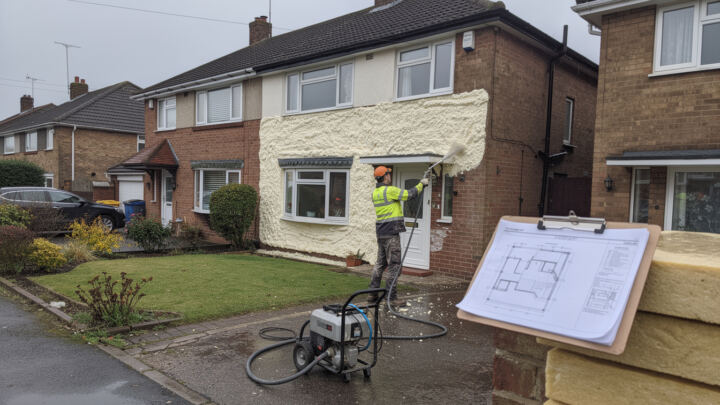
To determine whether you need planning permission for your foam insulation project, you must first understand what typically qualifies as “development” under UK law. Development usually encompasses alterations that have a significant impact on the structure or appearance of a property. Installing foam insulation can be considered development if it alters the facade of the building or involves significant structural changes. For instance, external insulation systems that protrude beyond the existing boundaries may trigger the need for planning permission.
The primary regulation governing these aspects is the Town and Country Planning Act 1990, which outlines the requirements for any proposed changes to buildings. It is advisable to consult your local planning authority to gauge whether your specific project may necessitate planning permission. They can provide tailored advice and confirm whether your intended work aligns with local policies.
Types of Properties and Planning Permissions
It’s essential to consider the type of property you’re working with, as some properties are subject to stricter guidelines. For example:
- Listed Buildings: If your property is classified as a listed building, you will almost always need planning permission for any insulation work, including foam insulation, as it may alter its historical character.
- Conservation Areas: Similar to listed buildings, homes in conservation areas often face stricter rules. Installing visible or extensive foam insulation may require permission.
- New Constructions: If the foam insulation is part of a new build, separate planning permissions may apply, as it is often viewed differently compared to renovations of existing properties.
Understanding these distinctions helps you navigate the complexities of the planning system better. Always verify the specifics with your local authority before proceeding with any work that might fall into these categories.
The Legal Framework Surrounding UK Building Regulations
The laws governing building control are also critically important when it comes to installing foam insulation. In essence, comprehensive building regulations are designed to ensure that any work carried out meets certain safety standards and environmental considerations. For foam insulation, complying with these regulations is crucial to safeguard the quality and durability of your installation.
Building regulations can generally be divided into various approved documents that cover different aspects such as thermal performance, fire safety, and structural integrity. Compliance with these regulations is not just about obtaining permissions; failure to comply can lead to legal repercussions or issues during home inspection processes. When installing foam insulation, be sure to refer to:
| Approved Document | Focus Area |
|---|---|
| Document L | Conservation of Fuel and Power |
| Document B | Fire Safety |
| Document A | Structural Safety |
Each document provides guidance on how to achieve compliance with minimum health, safety, and environmental performance standards. This ensures that your foam insulation installation not only improves energy efficiency but also adheres to the legal obligations outlined by UK building regulations.
Approved Documents and Their Role
Approved documents serve as practical guidance on meeting these building regulations. They offer criteria for areas like U-values, ventilation requirements, and permissible material use. It might be worth hiring a qualified professional, like a surveyor or architect, to help interpret these documents accurately. They can guide you in ensuring that your insulation meets the required performance thresholds and regulatory standards, preventing costly mistakes.
The Impact of Energy Efficiency and Home Insulation
With rising energy costs and increasing concerns over climate change, the demand for better home insulation has surged. Foam insulation is particularly effective at reducing heat loss, contributing not only to lower energy bills but also to enhancing comfort levels within the home. Energy-efficient homes are becoming more than just trendy topics; they represent a significant shift towards sustainable living.
Implementing effective insulation, such as foam, can dramatically improve a home’s energy rating. In the UK, properties rated energy-efficient are often more attractive to buyers, as they usually promise lower running costs and improved comfort levels. Plus, energy efficiency plays a crucial role in government policies aimed at reducing carbon emissions nationally.
However, while upgrading insulation is crucial, ensuring compliance with the relevant planning permissions and building regulations is equally vital. Overlooking these steps could lead to undoing your energy-efficiency efforts, ultimately harming your home’s value and potentially leading to fines.
Common Questions about Foam Insulation
Decoding the specifics surrounding foam insulation planning permissions can be tricky for many homeowners. To simplify the process, here are some frequently asked questions:
Do I need planning permission for internal foam insulation?
Generally, internal insulation does not require planning permission, but it’s essential to check with local regulations.
How do I ensure compliance with building regulations?
Ensure compliance by referencing the approved documents specific to insulating properties, which lay out the necessary standards.
Can I receive support for energy-efficiency improvements?
Yes, various government schemes provide financial support for insulation upgrades, making it easier to achieve compliant upgrades.
Understanding whether you need planning permission to install foam insulation in the UK is crucial for successful property renovations. The project’s legality may hinge on varying local regulations and the specific characteristics of your property, making it vital to stay informed. As you venture into home insulation, balance compliance with your energy efficiency goals for the best outcome, ensuring your efforts bolster both your home and your peace of mind.