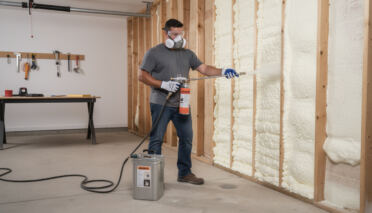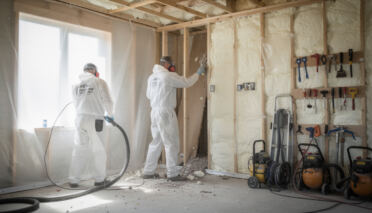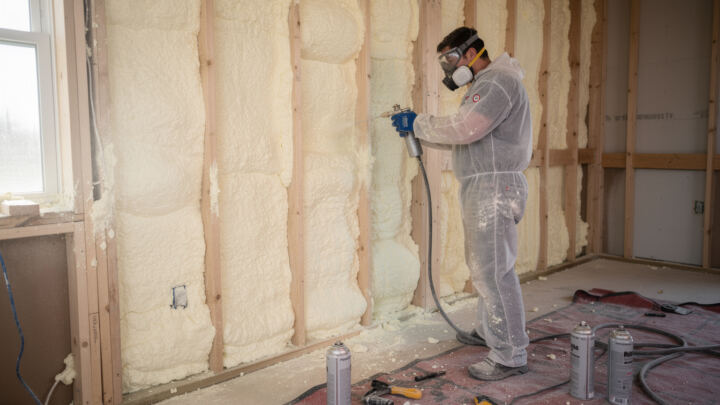
Foam insulation is a popular choice for home improvement due to its energy efficiency and thermal performance. However, many homeowners are left wondering about its installation process—specifically, whether it tends to be messy or disruptive. Understanding the nuances of foam insulation can help you make informed choices and minimize any potential chaos during installation. As we delve into the world of spray foam, we’ll explore its advantages, disadvantages, and tips to ensure a smooth application. Let’s navigate the complexities of this insulation solution together.
Brief
- 🌟 Energy Efficiency: Spray foam insulation offers superior energy savings and comfort in homes.
- 🧽 Messy Installation: The application process can be quite messy, requiring extensive clean-up.
- ⚠️ Health and Safety: Proper ventilation and safety precautions are critical during installation.
- 💵 Cost Considerations: While it can reduce energy bills, installation can be expensive.
- 💡 Common Problems: Issues like moisture retention and improper application can arise if not handled correctly.
Understanding Foam Insulation and Its Applications
Foam insulation, particularly spray foam, has grown in popularity as a solution for energy efficiency in homes. Spray foam insulation comes in two primary types: open-cell and closed-cell. Open-cell foam is lighter, easier to apply, and has a lower cost. However, it’s not as effective at moisture barriers and insulation value. On the other hand, closed-cell foam is denser, providing a higher R-value which creates an airtight seal.
Both types serve the purpose of increasing your home’s thermal performance, but the method of application is where things can get a bit messy and potentially disruptive. During the installation process, the foam expands significantly upon application, filling gaps and creating an efficient barrier against air leaks.
In theory, this sounds great, right? But here’s where caution comes into play. If applied incorrectly, you might experience issues ranging from poor adhesion to messy over-spraying. For instance, if not adequately contained, the expanding foam can spread onto surfaces it shouldn’t touch, ultimately leading to a need for a time-consuming clean-up.
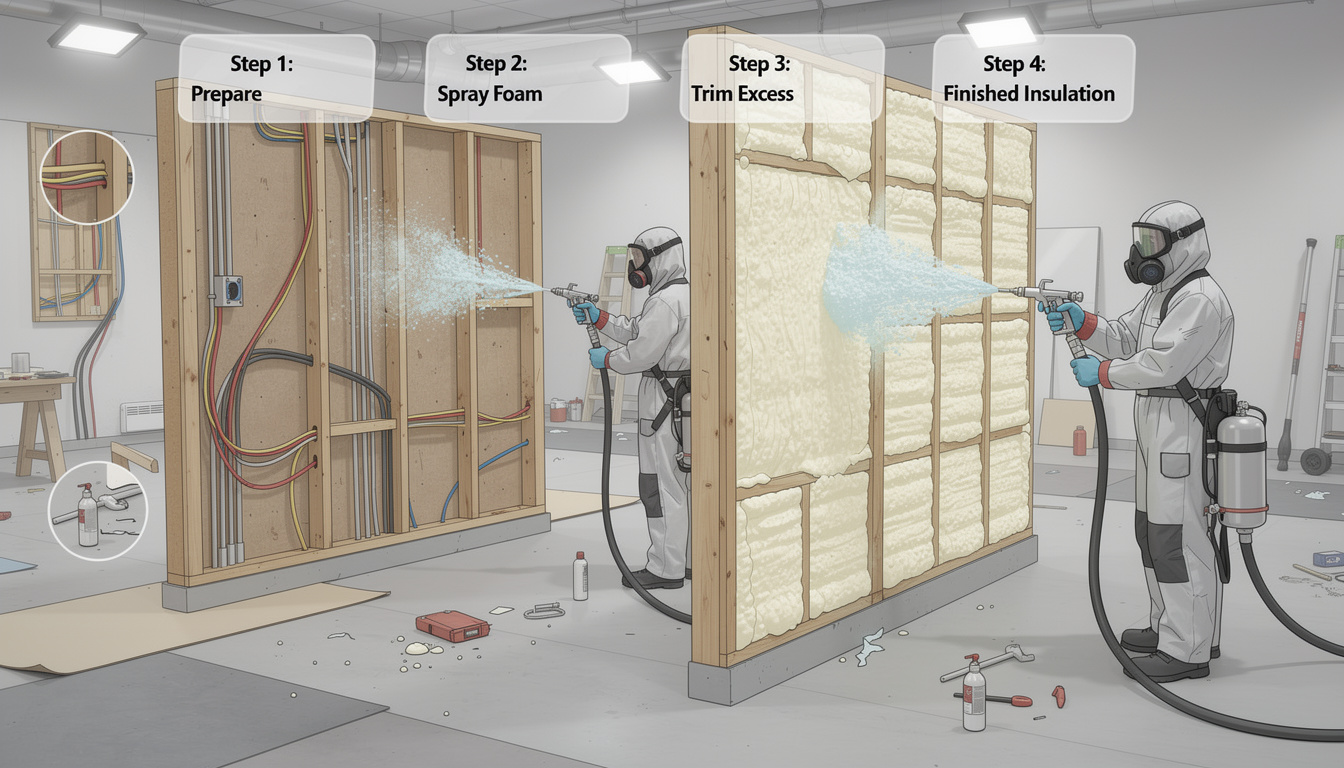
The Mess Factor: What to Expect During Installation
Let’s dive deeper into what you can expect during the installation of foam insulation. Hands down, spray foam insulation installation can be messy. Expect to see the foam escape its intended boundaries, forming an unsightly mess in the process. It’s essential to create a protective cover over furniture, walls, and floors to avoid damaging them with foam that can be difficult to remove once it hardens.
In addition to the mess, another concern is the time consumption involved in clean-up. If the installation is not planned thoroughly, you could spend hours scrubbing and cleaning surfaces covered in stray foam. Many homeowners wish they had taken additional steps to mitigate this problem by using proper masking techniques before the contractors arrive.
Noise Levels During Foam Installation
The application of foam insulation doesn’t just come with visual messiness; it can also get a bit noisy. The equipment used to spray the foam often produces significant sound levels, akin to using a compressor. For homeowners looking to remain in their residences during installation, it’s wise to anticipate noise disruptions. Consider moving activities to a different area of the house or, if possible, planning your schedule around the installation process to minimize disruptions.
Holistic Safety Precautions in Foam Installation
Installing foam insulation is not just about addressing messiness; it also involves numerous safety precautions. The chemicals involved in spray foam insulation can sometimes emit off-gassing, which might be harmful to health if inhaled without proper ventilation. Homeowners should ensure that the area is well-ventilated before, during, and after the installation process to mitigate these risks.
Furthermore, safety gear is essential for installers. Protective eyewear, gloves, and respirators help safeguard against particulate and chemical exposure. It’s not just about ensuring a clean work environment—it’s about prioritizing the health and safety of everyone involved. Therefore, choosing certified professionals for the installation becomes critical. They’ll not only understand the technical aspects of applying foam insulation properly, helping to reduce mess, but also how to adhere to safety protocols.
Consulting with experienced contractors can clarify what tools and methods will be used, ensuring they follow industry best practices. Understanding these important factors can help you feel more comfortable entrusting your home improvement project to professionals.
Common Problems with Foam Insulation
Despite its advantages, foam insulation can sometimes lead to common challenges if not installed correctly. For example, moisture problems are a major concern. If there isn’t adequate ventilation, the closed-cell foam can trap moisture within the walls, leading to potential mold growth. It’s crucial to assess your ventilation system before installation.
Furthermore, improper mixing can cause unpleasant odors and poor adhesion, both of which can lead to significant headaches. Many homeowners report experiencing lingering chemical smells long after installation, primarily due to bad ratios in the foam mixture.
Cost Implications: Is Foam Installation Worth it?
When considering foam insulation, homeowners must weigh the financial implications. The initial cost of installation can be higher than traditional insulation types like fiberglass. However, many believe in the long-term energy savings that foam insulation promises. Spray foam insulation can reduce energy consumption significantly, thereby lowering utility bills over time.
That said, addressing issues should they arise can stack on additional costs. If the installation was poorly executed, fixing air leaks or addressing moisture problems can become a financial burden. Homeowners should factor in potential future repairs into their cost calculations when considering foam insulation versus more traditional options.
Finding the Right Installer
To mitigate these complications, choosing the right installer is paramount. Always conduct thorough background checks and ask potential installers about their experience and certifications. You might even want to request references or observe past projects to ensure you’re making the best decision for your home improvement.
Moreover, discussing the potential issues openly with your installer can help you set clear expectations. Clarifying your concerns about messiness, noise, and cost upfront can lead to a much smoother experience overall.
| Issue | Solution |
|---|---|
| Moisture Problems 🌧️ | Ensure proper ventilation and assess drainage before installation. |
| Odor Issues 😷 | Utilize experienced installers to mix properly and enhance ventilation. |
| Cost Concerns 💵 | Get multiple quotes and consider long-term savings vs. upfront costs. |
| Health Risks ⚠️ | Follow safe work practices and ensure EPA compliance during installation. |
How long does spray foam insulation last?
With proper installation and maintenance, spray foam insulation can last over 25 years, enhancing your home’s energy efficiency.
Can I do it myself?
While DIY kits are available, hiring professionals is recommended to avoid common pitfalls and ensure safety.
Does it help with noise reduction?
Yes, foam insulation can be effective in reducing noise levels, making your home more peaceful and quiet.
Is it safe for my health?
When installed correctly, foam insulation is safe; however, following proper ventilation and safety protocols is essential.
What’s the best type of spray foam for my home?
Closed-cell foam is often the best choice for moisture-prone areas, while open-cell is suitable for interior walls.