Ensuring safety during installation processes is a critical concern that cannot be overstated. When it comes to building projects, machinery setup, or electrical installations, a proper safety protocol is vital. Every year, countless accidents occur due to negligence or lack of adherence to safety measures. From the initial stages of planning to the execution of the project, every step carries inherent risks that must be identified and mitigated. Effective risk mitigation strategies not only protect workers but also ensure that projects remain on schedule and within budget. It’s essential to foster a culture of safety that emphasizes the importance of following established protocols, utilizing personal protective equipment (PPE), and undergoing thorough site safety training.
The importance of clear communication among team members cannot be stressed enough. Misunderstandings can lead to dangerous situations, making it essential to have regular briefings and updates. Awareness campaigns, workshops, and reliable reporting systems can help keep safety at the forefront. As we dive into this topic, we’ll explore various safety precautions essential during installation, covering aspects like hazard assessments, locked out tag out procedures, and the significance of fall protection. We’ll also touch upon routine tool inspections and emergency procedures to implement should something go awry.
Brief
- Understanding the importance of hazard assessments and site safety training.
- Implementing locked out tag out procedures to prevent accidental machine startups.
- Utilizing personal protective equipment effectively.
- Ensuring clear communication among team members to avoid misunderstandings.
- Establishing and following emergency procedures to keep everyone safe.
Understanding Hazard Assessments in Installation Projects
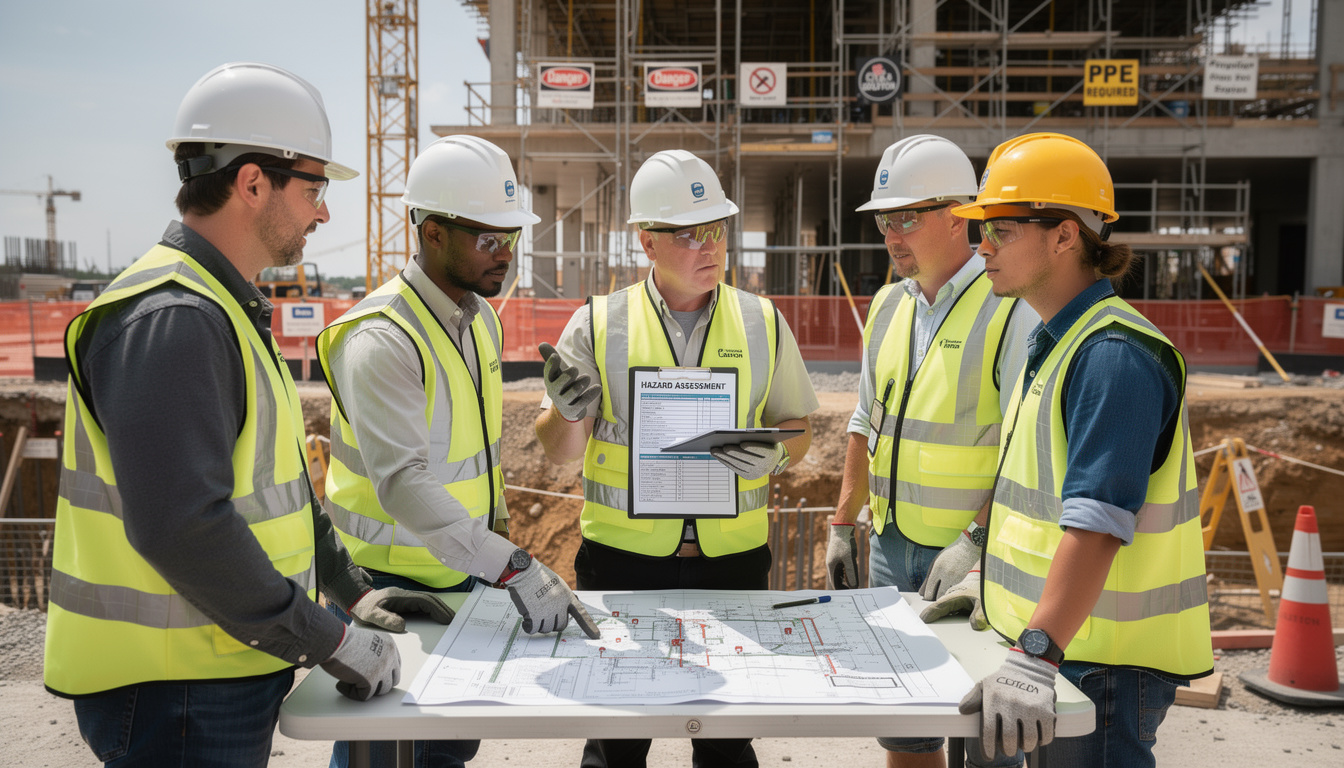
Conducting a thorough hazard assessment is the cornerstone of any safe installation project. This process involves identifying potential hazards that workers may face and evaluating the risks associated with each. Hazards can range from unsafe machinery, electrical exposures, chemical spills, to environmental conditions such as poor lighting or inclement weather. Understanding these risks allows teams to implement effective control measures to prevent accidents.
First, a comprehensive checklist should be established, outlining the specific tasks involved in the installation. This checklist should cover everything from the tools being used to the nature of the materials involved. For instance, if heavy equipment is utilized, considerations regarding lifting techniques and load capacities are paramount. Potential sources of slips, trips, and falls should be meticulously identified, allowing for appropriate prevention strategies, such as installing non-slip surfaces or maintaining clear walkways. Engaging workers in this assessment not only enhances their understanding but also encourages ownership over safety practices.
Furthermore, these assessments should not be treated as one-time activities. Regular reviews and updates are necessary to adapt to evolving conditions on the site. If the weather changes or new equipment is introduced, the initial hazard assessment may no longer apply. Establishing a routine for revisiting and revising these assessments can significantly enhance overall site safety.
The Role of Personal Protective Equipment (PPE)
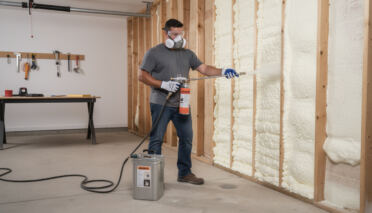
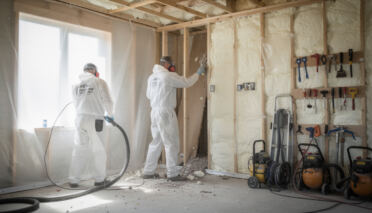
No discussion on safety precautions is complete without addressing the use of personal protective equipment. PPE acts as the last line of defense against workplace hazards. The type of gear required varies according to the specific risks present on site. For example, head protection, such as hard hats, is crucial when working in areas where overhead objects could fall. Similarly, safety goggles protect against flying debris, while gloves are essential for handling sharp materials or harmful substances.
Moreover, the effectiveness of PPE hinges on proper training. Workers must not only understand why safety gear is necessary but also how to use it correctly. Regular training sessions should include demonstrations on correctly wearing and maintaining PPE. This gear is often the only barrier between a worker and an injury, making its use non-negotiable.
In a world where complacency can lead to serious injuries, organizations should also encourage a culture where everyone feels accountable for safety, including expressing concerns about others not wearing PPE properly. Regular reminders and visible displays of the importance of PPE can reinforce its value in upholding safety standards.
Implementing Locked Out Tag Out Procedures
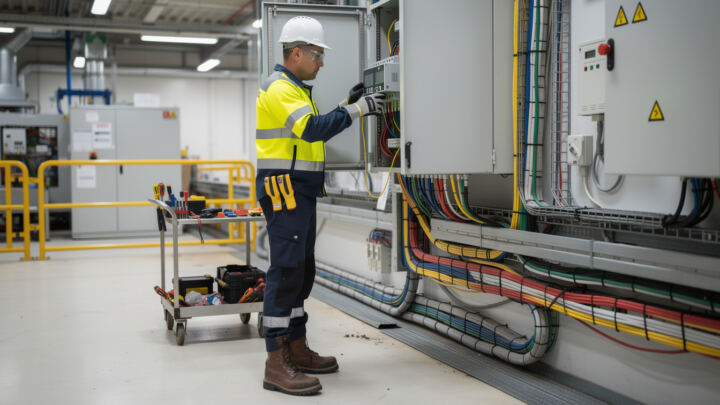
Another cornerstone of safety during installations is the locked out tag out (LOTO) procedure. This process is critical when working on electrical systems or machinery. It ensures that machines are turned off and cannot be operated while maintenance or installation work is performed. The risks associated with unexpected machine startups can be catastrophic, not only endangering the worker currently operating the machinery but also nearby personnel.
The LOTO procedure involves placing a lock on the power source and tagging it with a warning notice. This indicates that maintenance or installation work is ongoing, effectively communicating that the equipment should not be operated. Before starting work, teams must be trained on the LOTO protocol and understand the significance of adhering to it. This includes testing equipment to ensure it’s de-energized after the lock is applied.
Incorporating LOTO procedures not only enhances safety but also cultivates a culture of responsibility within the team. Workers become more aware of their surroundings and the importance of ensuring that no one is put in harm’s way through negligence. It’s crucial to conduct periodic audits to ensure LOTO practices are consistently applied, reducing the risk of potentially harmful incidents.
Fall Protection: A Vital Component of Safety
When discussing installation risks, fall protection merits special attention. Falls are one of the leading causes of injuries in construction-related tasks, making protective measures essential. Ensuring workers are trained in fall protection techniques can dramatically reduce these risks. This encompasses proper use of safety harnesses, guardrails, and safety nets. Workers should receive training on when and how to use these safety features, as well as the importance of inspecting equipment before use.
Regular site inspections are also crucial to identify areas where falls could occur. For instance, if scaffolding is being used, its integrity should be thoroughly evaluated prior to commencing work. Additionally, clear signage indicating hazardous areas can alert workers to risks that may not otherwise be apparent.
Implementing a strong fall protection plan means creating work environments where hazards are minimized and safety is prioritized at every level. Teams should also practice emergency procedures for fall-related incidents, ensuring that quick and effective responses are available should an accident occur.
Conducting Routine Tool Inspections and Emergency Procedures
Lastly, the importance of conducting tool inspections cannot be overlooked. Tools are the backbone of any installation project, and their proper maintenance directly influences safety. Before usage, inspecting each tool for compliance and functionality should be standard practice. Any damaged tool must be reported immediately and taken out of service to prevent potential injuries. Additionally, having a routine maintenance schedule can extend the lifespan of tools, making it a cost-effective strategy in the long run.
In addition to tool inspections, establishing clear emergency procedures is essential. Every team member should be familiar with these guidelines, knowing exactly what to do in case of an accident or unexpected event. This includes having first aid kits readily accessible and knowing the locations of nearest emergency exits.
Emergency drills should be conducted regularly, simulating various scenarios to prepare staff. This not only familiarizes everyone with the plan but also builds confidence in utilizing it efficiently. A readily available communication system can facilitate swift action and ensure that everyone is accounted for in emergency situations.
What role does safety training play in installation projects?
Safety training equips workers with the knowledge and skills to identify hazards, use PPE correctly, and understand emergency procedures to mitigate risks effectively.
How often should hazard assessments be conducted?
Hazard assessments should be conducted regularly and updated as conditions change on-site, ensuring they reflect current risks and mitigation strategies.
Why is personal protective equipment essential?
Personal protective equipment (PPE) serves as a critical barrier against workplace hazards, significantly reducing the risk of injuries and ensuring worker safety.
What are locked out tag out procedures?
Locked out tag out (LOTO) procedures are safety measures used during maintenance to ensure machines are de-energized and cannot be accidentally started.
How can clear communication improve site safety?
Clear communication helps prevent misunderstandings that can lead to accidents, ensuring that all team members are aware of potential hazards and safety measures in place.